Customs Broker in Oceanside
Licensed customs brokerage for Oceanside importers and exporters, clearing cargo both directions at the Otay Mesa commercial crossing and the Port of San Diego.
Customs Brokerage Built for Oceanside’s Manufacturers and Importers
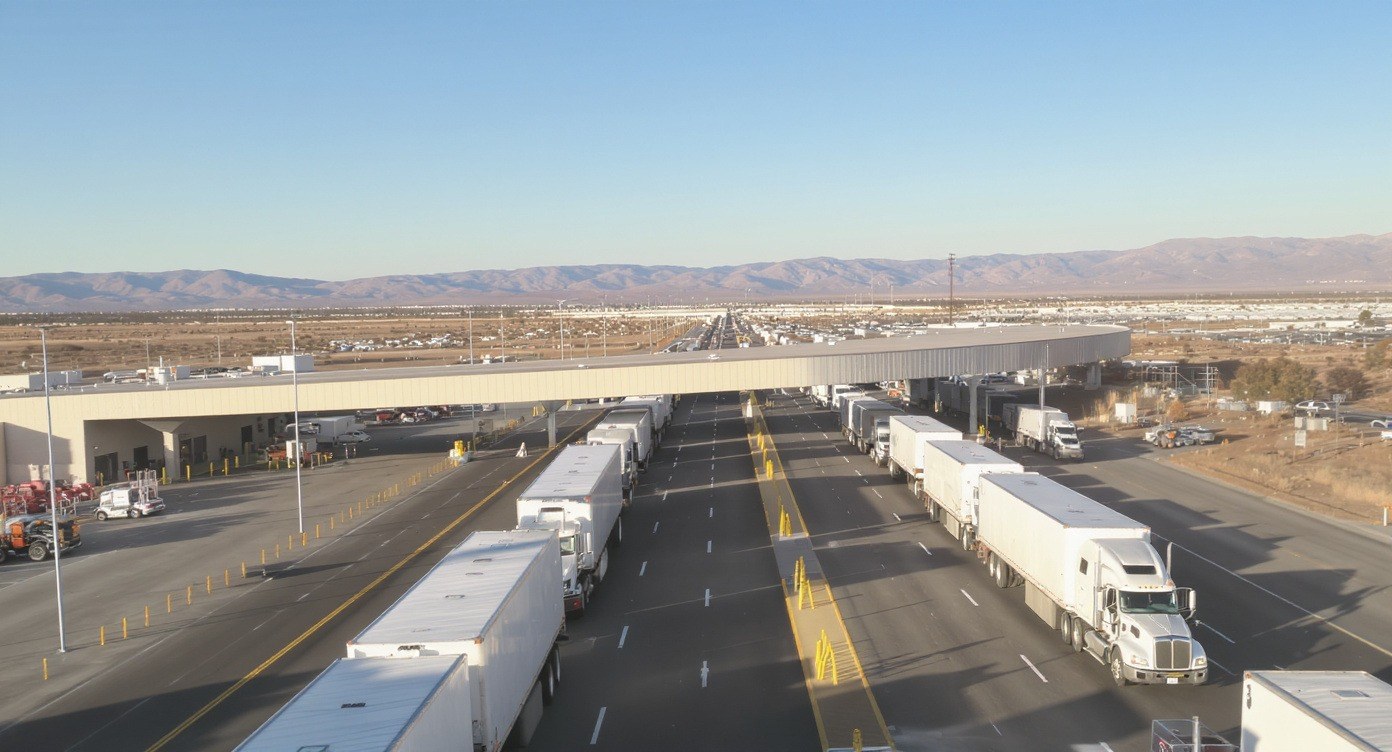
Oceanside sits at the north end of San Diego County, a coastal manufacturing town anchored by biotech, craft brewing, action sports brands, and a base of industrial and defense suppliers tied to nearby Camp Pendleton. Many of these companies move goods across borders every week, whether that is raw materials and components coming in from Mexico and Asia or finished product heading out. The Otay Mesa commercial crossing and the Port of San Diego are the two gateways most Oceanside freight passes through, and both need a customs broker who knows how CBP works at each one.
We clear cargo in both directions, U.S. import and Mexico export, so an Oceanside company running a cross-border supply chain works with one broker instead of two disconnected ones. Being based right at the San Diego border means we are close to the ports where your shipments actually arrive, not filing from a distant office. That proximity matters when a container is on hold, a classification question comes up, or CBP flags an entry and you need answers the same day, not next week.
What we do for Oceanside businesses
- ✓ Import entry filing through ACE for Oceanside biotech, brewing, sporting goods, and industrial manufacturers, with accurate HTS classification on every line
- ✓ Mexico export clearance for companies with suppliers, contract manufacturers, or maquiladora partners across the border
- ✓ ISF (10+2) filing for ocean freight arriving at the Port of San Diego and other U.S. ports of entry
- ✓ Customs bond setup, single-entry and continuous, so shipments are not held for lack of coverage
- ✓ Coordination with your Otay Mesa freight forwarders and trucking so paperwork clears ahead of the load
- ✓ Bilingual support for both sides of the transaction, English and Spanish, keeping U.S. and Mexican documentation aligned
Full customs and freight support
Customs Brokerage
Entry filing, HTS, ISF and duties. →
Mexico Customs Brokers
Clear cargo south into Mexico, too. →
Freight Forwarding
Air, truckload and LTL, coordinated. →
Border Services
Crossing logistics at San Diego and Otay Mesa. →
Trade Compliance
ISF, bonds, PGA holds and audits. →
Bonded Warehouse
Defer duties until goods are released. →