Warehouse and distribution steps from the border
Once your cargo clears at Otay Mesa, it needs somewhere to land, get sorted, and move. We connect your customs clearance to warehousing, pick and pack, fulfillment, and inventory management right at the San Diego border, so freight does not sit and cash does not stall.
What border warehousing and distribution actually covers
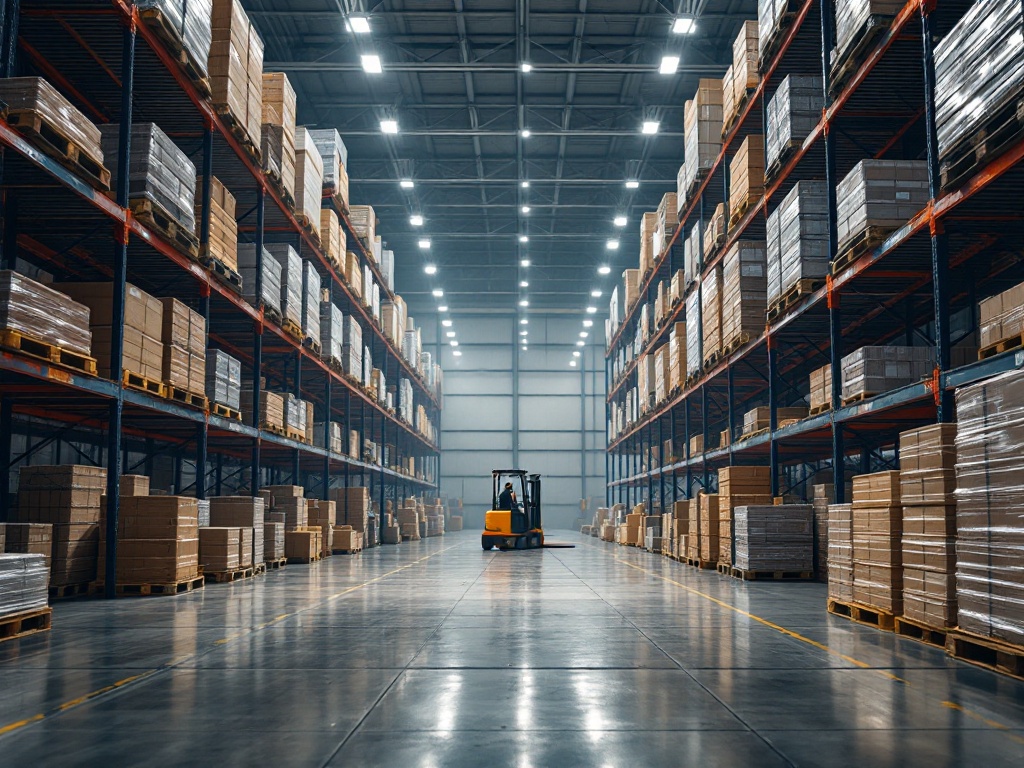
Warehouse and distribution is the ground game after the paperwork. It is receiving your cleared cargo, storing it correctly, breaking down containers, picking and packing orders, and sending product on to the next stop, whether that is a distributor, a retailer, an Amazon FBA facility, or a customer’s door. Because we sit at the San Diego and Otay Mesa crossing, the goods can go straight from the commercial port into a warehouse within minutes instead of paying to truck them to a hub two hours away.
When clearance and warehousing are handled by two teams that do not talk, you get demurrage on the container, per diem on the chassis, and product that misses its ship date. When the entry and the dock are coordinated, a container can be cleared, deconsolidated, and cross-docked the same day. That difference shows up directly in your landed cost and your fill rate.
What’s included
- ✓ Receiving and deconsolidation of cleared cargo direct from the Otay Mesa commercial port
- ✓ Short-term and long-term warehousing, including bonded warehouse options for duty deferral
- ✓ Cross-docking and transloading from Mexican trailers to U.S. domestic carriers
- ✓ Pick, pack, and kitting for retail, wholesale, and ecommerce orders
- ✓ Ecommerce fulfillment and prep for Amazon FBA, Walmart WFS, and 3PL programs
- ✓ Real-time inventory management with lot, SKU, and cycle-count visibility
- ✓ Outbound distribution and LTL/FTL coordination across the U.S. and back into Mexico
- ✓ Palletizing, labeling, and re-marking to meet retailer and CBP requirements
How we handle it
Clear and receive
We file the ACE entry and coordinate the pickup so your cargo moves from the port straight to the dock. No idle container racking up demurrage while it waits for a warehouse slot.
Sort and store
Freight is deconsolidated, checked against the packing list, and put away by SKU or lot. If duty deferral makes sense, product can go into a bonded warehouse until you are ready to withdraw it.
Pick, pack, prep
Orders are picked, kitted, labeled, and prepped to your channel’s spec, whether that is a retail routing guide, an FBA carton label, or a wholesale pallet build.
Ship and reconcile
Product goes out on the right carrier and your inventory counts update in real time. You see what shipped, what is on hand, and what needs reordering without chasing anyone.