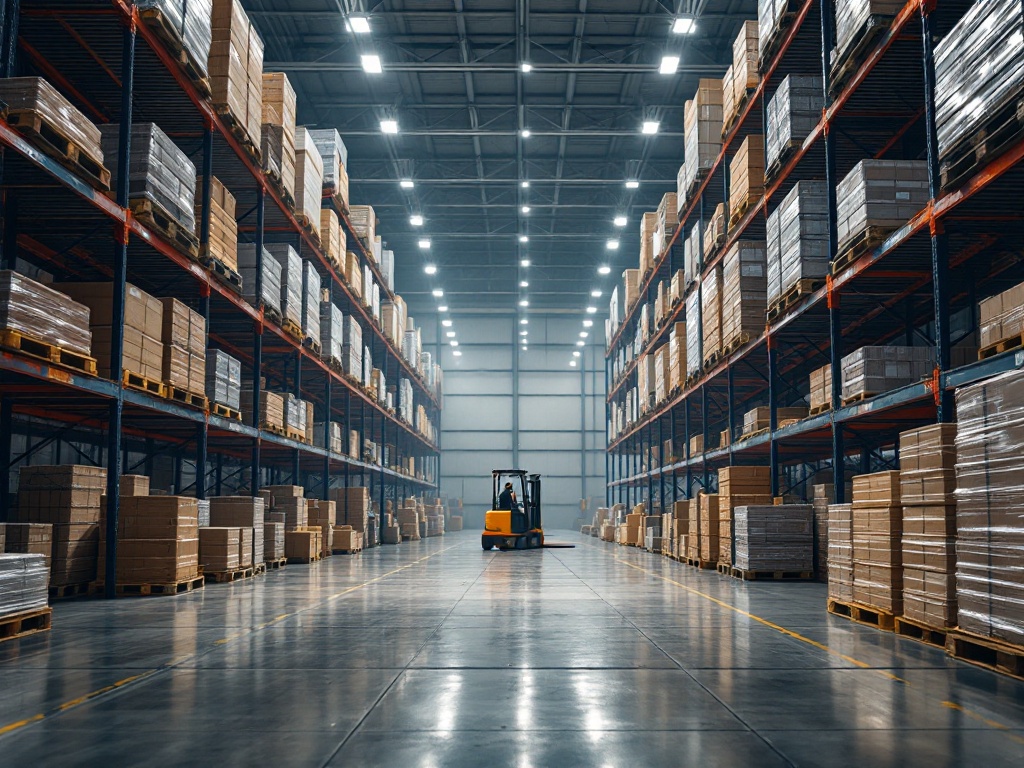
Store imported cargo without paying duty at bonded warehouse entry
Land your cargo, hold it under CBP custody, and defer duties and taxes until you actually withdraw goods for U.S. commerce. We arrange the class of warehouse, file the entries, and keep the inventory records CBP expects.
What a bonded warehouse actually does for your cash flow
A CBP bonded warehouse is a facility, or a secured section of one, where imported merchandise is stored under Customs custody without duties and taxes being paid at the time of arrival. You file a warehouse entry (CBP Form 7501, entry type 21) instead of a consumption entry, and the goods can stay for up to 5 years from the date of importation. Duty is calculated and paid only when you file a withdrawal for consumption, and it is assessed at the rate and value in effect on the day of withdrawal, not the day the cargo landed.
That timing is the whole point. If you import in bulk but sell over months, you keep working capital in your business instead of parked with the government. If a shipment is destined for re-export, you can withdraw it for exportation or move it into a foreign trade zone and never pay U.S. duty at all. And if the market or the tariff schedule shifts while goods sit in the warehouse, you settle at withdrawal, which can work in your favor. The trade-off is discipline: bonded stock lives under a Customs bond and strict recordkeeping, and any shortage or unauthorized removal becomes your liability.
What’s included
✓ Warehouse entry filing (CBP entry type 21) in ACE, with the correct HTS classification and valuation locked to the entry
✓ Guidance on the right class of bonded warehouse for your goods, from public storage to private and manipulation warehouses
✓ Withdrawal filing for consumption, exportation, or transfer, with duty and MPF calculated at time of withdrawal
✓ Customs bond coordination so your entries are covered without over-buying bond capacity
✓ Permitted manipulation handling: cleaning, sorting, repacking, labeling, and combining, without triggering duty
✓ Inventory control and recordkeeping aligned to 19 CFR Part 19 so your stock reconciles to CBP at all times
✓ Partial withdrawals so you pull only what you sell and leave the rest in bond
✓ PGA coordination where FDA, USDA, or other agency holds apply before goods can be released
We review your commercial invoice, HTS classification, and end destination, then confirm bonded storage is the right move versus a straight consumption entry or an FTZ. You get a clear picture of duty deferred and bond needed before anything is filed.
File the warehouse entry
We file the type 21 warehouse entry in ACE and arrange the in-bond movement so your cargo is admitted into the bonded facility under CBP custody. The duty clock is deferred and the 5-year window starts from the date of importation.
Store, manipulate, and control inventory
While goods are in bond, we handle permitted manipulation requests and keep the inventory records CBP requires. Every case, pallet, and partial pull reconciles to the entry so an audit never catches a gap.
Withdraw on your schedule
When you are ready to sell, re-export, or transfer, we file the withdrawal and settle duty, MPF, and any taxes on only the quantity you pull. The rest stays in bond, duty still deferred.
Up to 5 years from the date of importation. That is a hard limit set by CBP. Before the 5 years run out, the merchandise has to be withdrawn for consumption, withdrawn for exportation, transferred, or destroyed under Customs supervision. We track the clock on your inventory so nothing quietly ages out and forces a rushed decision.
When do I actually pay duty on bonded cargo?
You pay when you file a withdrawal for consumption, not when the goods arrive. Duty and merchandise processing fee are calculated on the quantity you withdraw, at the classification, rate, and value in effect on the date of withdrawal. If you re-export the goods or move them into a foreign trade zone instead, you generally never pay U.S. duty on them at all.
Can I repack, relabel, or sort goods while they are in bond?
Yes, within limits. CBP allows permitted manipulation such as cleaning, sorting, repacking, combining, and labeling in a bonded warehouse without paying duty first. What you cannot do is manufacture or change the goods into a new article, that requires a different setup like an FTZ or a bonded manufacturing warehouse. We confirm what your specific goods qualify for before you handle them.
What is the difference between a bonded warehouse and a foreign trade zone?
Both defer duty, but they behave differently. A bonded warehouse holds goods under CBP custody for up to 5 years with limited manipulation allowed. An FTZ has no time limit, permits actual manufacturing and assembly, and can change the duty rate you pay on the finished product. Bonded storage is usually the cleaner fit for hold-and-distribute or re-export cargo. If you are transforming goods, an FTZ is often the better tool, and we will tell you which one fits your flow.
Who is liable if bonded inventory comes up short?
You are, through the Customs bond that covers the merchandise. Bonded goods stay under CBP jurisdiction, so a shortage, an unauthorized removal, or a recordkeeping gap can trigger duty demands and penalties against the bond. That is why the inventory control side matters as much as the entry itself. We keep your stock reconciled to CBP under 19 CFR Part 19 so the numbers always match and the bond never gets exposed.
Get your free quote
Let’s move your cargo.
Tell us what you import and how often. A bilingual broker responds fast, usually within one business day. Quotes are for businesses with recurring commercial shipments.
What to include for an accurate quote
The more of this you share, the faster we can price it. Quotes are for businesses with recurring commercial shipments.
Origin: supplier or factory city and country
Destination: delivery city and ZIP code
Product: what it is, and the HS code if you have it
Quantity: units and number of cartons or pallets
Weight: total gross weight
Size: carton dimensions or total volume in CBM
Shipping method: ocean FCL, ocean LCL, air, or express
How often you ship: monthly, quarterly, or your next few orders
bonded warehouse san diego ca, bonded warehouse mexico, warehouse broker, bonded warehouse near me, bonded warehousing services, warehouse in san diego, bonded warehouse locations, bonded stores, warehouses in san diego, san diego ca warehouses, bonded storage warehouse, warehouse san diego, san diego warehouse, warehousing san diego, customs warehouse, san diego warehouses, bondage warehouse, san diego customs, warehouses san diego, advantages of a bonded warehouse, bonded yard, san diego warehousing, the warehouse san diego, bonded warehouse los angeles, the bonding warehouse, bonded service warehouse, bonded warehouse in los angeles, advanced bonded warehousing, bonded warehouse services, bonded store, bonded warehouse solutions, warehouse in san diego ca, warehouse brokerage, warehouse brokers, bonded storage facility, customs bonded warehouse near me, bonded warehouse los ángeles, california warehouse bonds, bonded warehouses near me, custom bonded warehouse, warehousing providers with bonded warehouse facilities, bondagewarehouse, warehouse solutions san diego, bonded warehouse market, advanced bonded warehouse, bonded cold storage, warehouse bonded, bond storage, bonded warehousee, bond warehouse, bonded warehouse service, valley bonded warehouse llc, bonded warehousing, custom warehouses, international warehouse near me, customs bonded warehouse, custom warehousing, bonded warehousing in the u.s., san diego warehouses for sale, custom warehouse, customs san diego, warehouse customs, custom bonded warehouses, customs bonded warehousing, bonded area, warehouse brokers near me, bonded storage, bonded area customs, custom bonded, bonding warehouse, warehousing company san diego, customs bonded area, bonded warehouse providers
Benefits of Using a Bonded Warehouse
Utilizing a bonded warehouse can provide numerous benefits for businesses looking to store goods in a secure and cost-effective manner. One major advantage is the ability to defer payment of duties and taxes until the goods are released from the warehouse. This can help improve cash flow and reduce financial strain on the business. Additionally, bonded warehouses offer a level of security and protection for goods, ensuring that they are safely stored until they are needed for distribution or sale.
Streamline Your Inventory Management with Our Elite System
Our bonded warehouse in San Diego offers an elite inventory system that can help streamline your inventory management processes. With advanced tracking and monitoring capabilities, you can easily monitor the movement and status of your goods in real-time. This can help reduce errors, improve efficiency, and ultimately save you time and money. Our system also allows for easy access to detailed reports and analytics, giving you valuable insights into your inventory levels and trends.