Otay Mesa Customs Broker clearing both directions
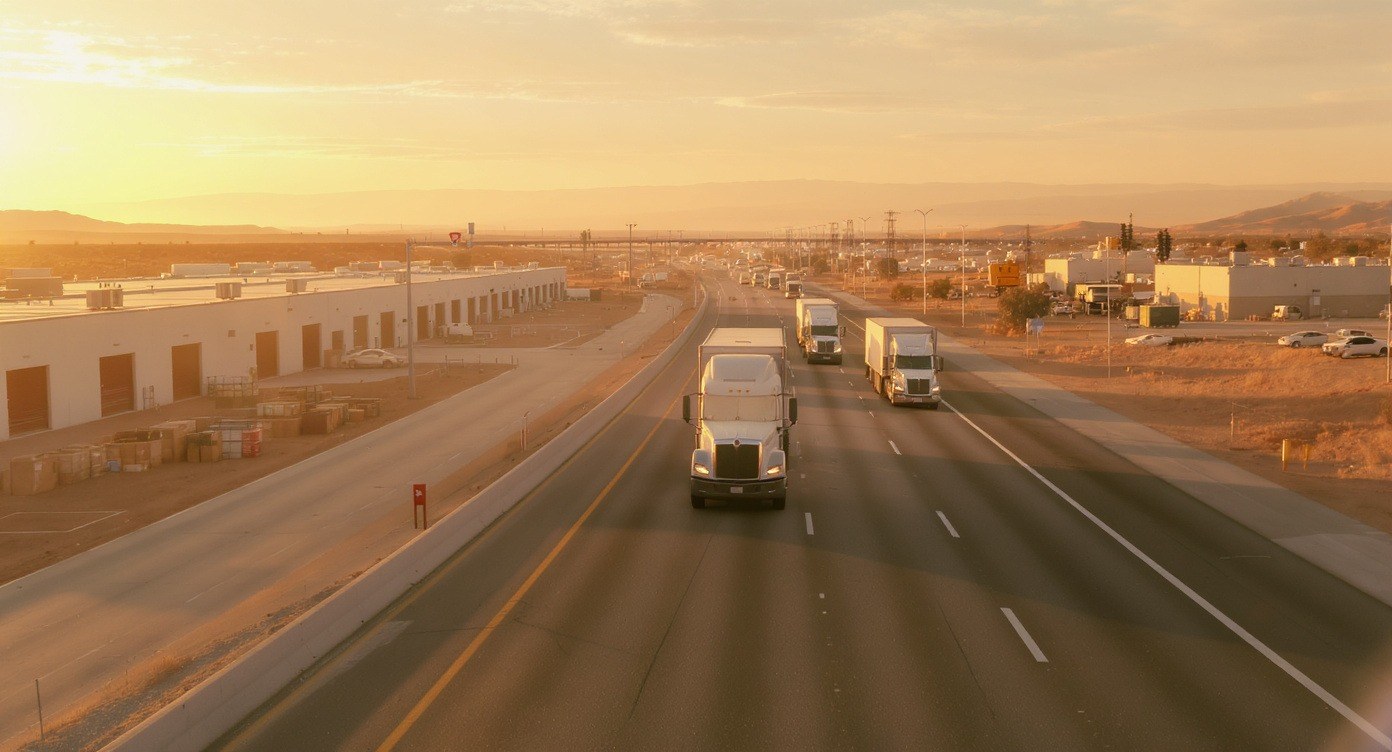
We clear cargo through the Otay Mesa commercial port of entry, the busiest truck crossing on the California-Mexico border. Northbound U.S. imports and southbound Mexico exports, produce and manufacturing, filed to move with the flow of the crossing instead of against it.
What an Otay Mesa customs broker actually does
Otay Mesa is a commercial-only crossing built for trucks, and it processes more northbound cargo than any other land port on the CA-Mexico line. A customs broker here files your CBP entry, transmits the ISF when required, applies the correct HTS classification, and coordinates any FDA, USDA, or other PGA review so your driver clears primary and moves off the lot. On the Mexico side, we work with the pedimento and our Mexican counterpart so the same load exports cleanly.
The reason it matters is timing. A truck that misses a document, gets flagged to secondary, or holds for an FDA hold burns the day and, with produce, burns the product. We prep entries against Otay Mesa’s commercial hours and the FAST and general lane rhythm so paperwork is ready before the tractor reaches the booth, not after it is already parked in the yard.
What’s included
- ✓ CBP entry filing through the Otay Mesa (port 2506) commercial crossing, northbound and southbound
- ✓ HTS classification and duty, MPF, and HMF calculation so you know the landed cost before the truck crosses
- ✓ ISF (10+2) transmission for any ocean legs feeding your cross-border truck freight
- ✓ FDA prior notice, USDA APHIS, and other PGA coordination for produce and regulated goods
- ✓ IMMEX and maquiladora manufacturing entries, including temporary import and finished-goods flows
- ✓ Continuous and single-transaction customs bond setup so entries are never held for bond capacity
- ✓ FAST lane and C-TPAT-aligned processing for qualified low-risk shippers
- ✓ Bilingual coordination with your Mexican broker on the pedimento and factura so both sides match
How we handle it
Send documents ahead
Commercial invoice, packing list, and any permits reach us before the truck loads. We flag missing data while there is still time to fix it, not at the booth.
We classify and file
We assign the HTS codes, calculate duties and fees, transmit the ACE entry, and file prior notice or PGA data for produce and regulated cargo.
Truck clears the port
Your entry is released so the driver moves through the Otay Mesa commercial lanes. If CBP flags a hold or exam, we work it directly with the port and keep you posted.
Records and follow-through
We keep entry records for the five-year retention window, reconcile any post-entry corrections, and give you a clean file for your books and any future CBP review.